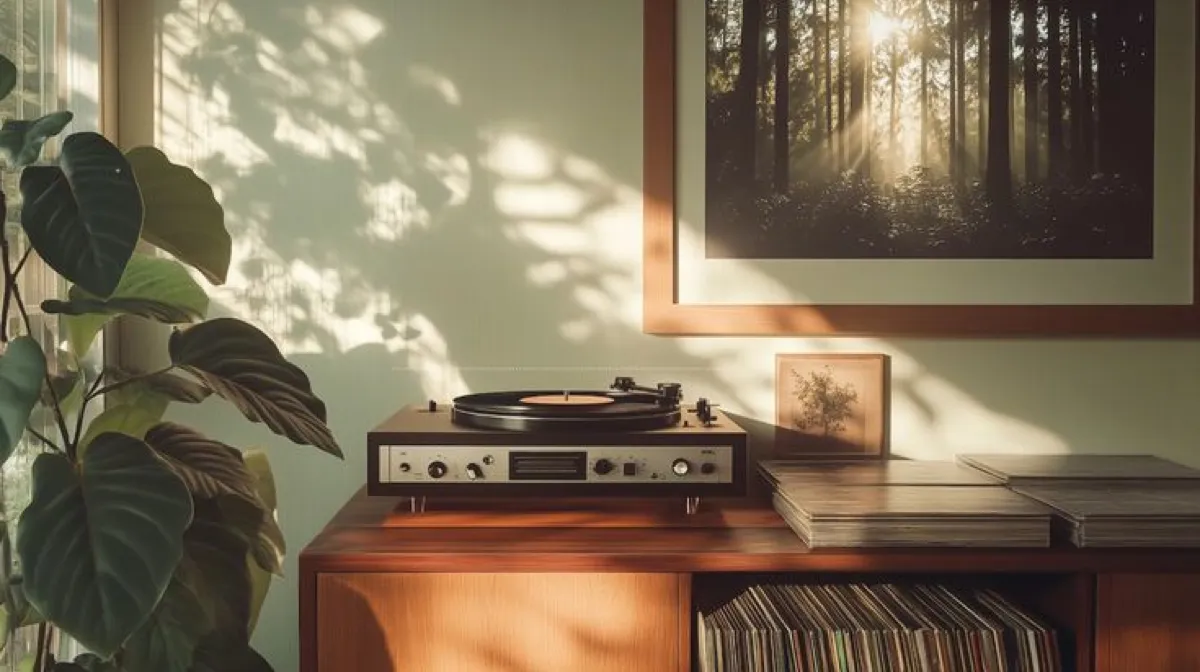
It started with music.
At some point, listening was no longer enough. I wanted to understand: why it sounds this way, where a genre came from, how one rhythm differs from another, why a specific album changed musical culture.
The odd part: I had never had this much access to music. Nearly all recorded music in the world sits in my phone. Algorithms offer a hundred new tracks every day. The problem of «where to find music» was solved long ago.
But against infinite access, a new scarcity appeared: I did not need more music, I needed better ways to navigate it.
And that, I think, is one of the most interesting shifts in consumer behavior in 2026.
We built an economy of abundance
For twenty years, most of B2C moved in one direction: give people more, faster. More assortment, content, restaurants, travel options, beauty brands, delivery methods, people to follow.
What is scarce now is not choice. It is the ability to choose.
McKinsey finds about a quarter of consumers use generative AI while shopping; among Gen Z, 28%. Social networks are becoming primary discovery channels. The brand controls the decision point less and less.
We delegate choice, and grow pickier about what we choose ourselves
On one side: pick the best sneakers out of five hundred for me.
On the other: I want to choose a record in a shop, talk to the owner, take it home, and listen to one album for forty minutes.
Consumers distinguish choice that drains resources from choice that is part of the value. Comparing 38 nearly identical insurance policies is work. Choosing a book a trusted person recommended in a small bookstore is an experience.
The most valuable 2026 product may save not money, but attention
Products increasingly compete for cognitive participation. AI assistants, subscriptions, auto-replenishment, curated sets, and short assortments can beat infinite choice.
We already made the hard choices for you. What remains is only what is worth choosing.
But for a brand to choose on your behalf, you need trust.
Trust becomes part of the product
Not enough to be visible. You need to be provable.
What the brand says and what the market knows are finally different things. Origin, transparency, physical space, service quality, experts, community, and the ability to touch the object become trust mechanisms.
Value is being redefined
People are not just buying cheaper. They redistribute money far more selectively. Private label one week, a concert the next. Secondhand clothes, an expensive restaurant on a trip.
The question is not «how much money do they have?» but «what deserves their money?»
Things lose not to experiences, but to meaningless things
Experiences outpaced discretionary goods in growth. Yet vinyl, film cameras, handmade objects, mechanical watches, and independent magazines thrive when they offer more than function: ritual, story, belonging, memory.
«Less» works only when it means «better for me»
Real personalization changes the product itself. In 2026, a niche is not a small market, it is a more precise language of value.
B2C after abundance
The opportunity is not more choice. It is knowing which choice to remove, and which to turn into an experience.
We built the infrastructure of abundance. Now comes business built around attention, discernment, and conscious choice.