Confession: I am a waitlist person.
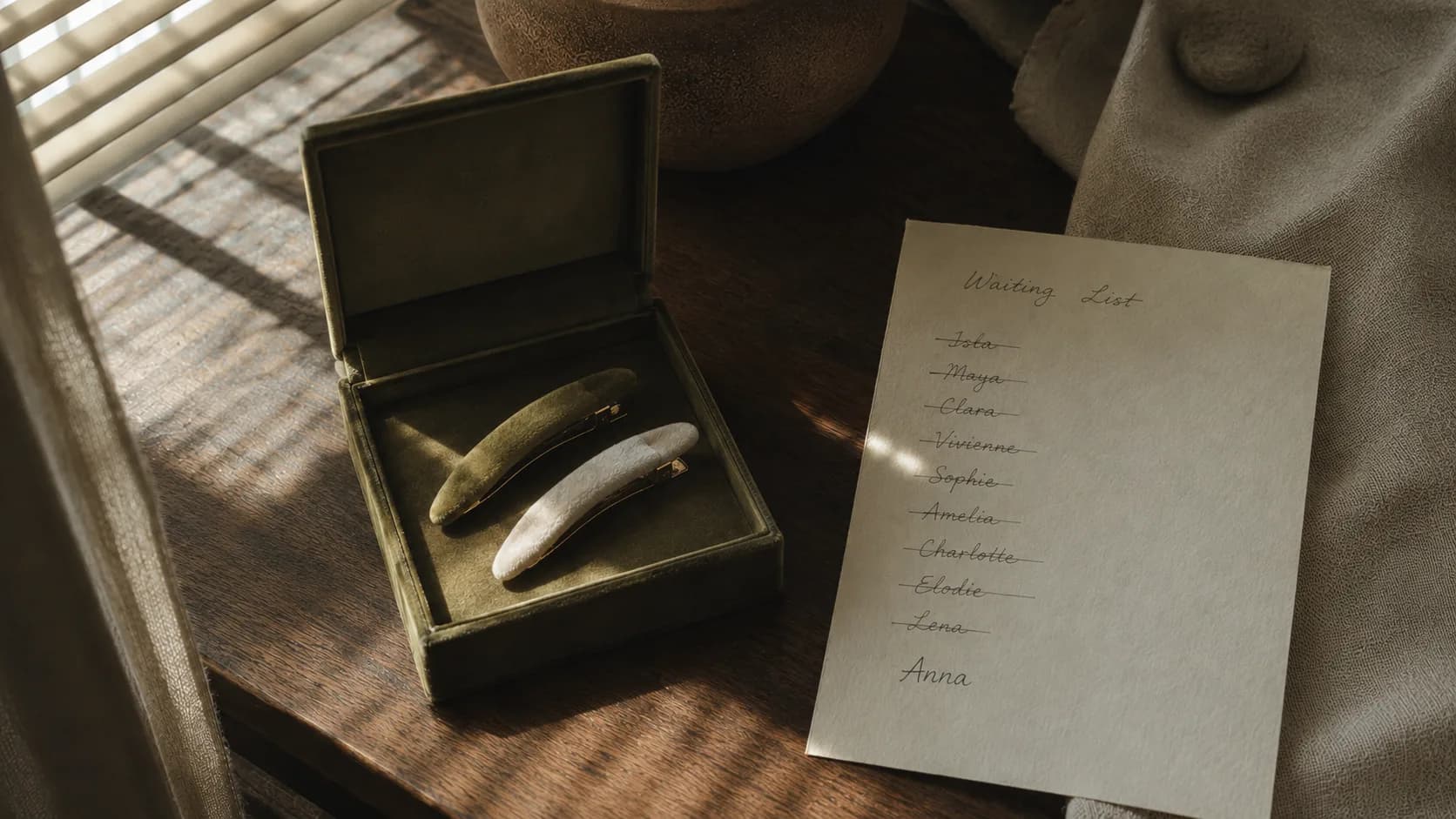
A few months ago I saw velvet hair clips from a small brand called in'me on Instagram. The product is almost silly to describe: a clip. Velvet. Invisible. Cheap. Their page is full of joyful videos and an absurd amount of delight per square centimeter of screen.
I wanted them. Opened the marketplace. And guess what? Sold out. All of it. Down to the last clip.
When will it be back?
· buyers
Watch for announcements
· the brand
Next restock: unclear. And there I was, a grown adult, waiting for a hair clip. Checking. Messaging the brand. Asking.
I was not alone. A whole crowd like me gathered. People wrote every day:
«so when?»
«when though?»
«can I get one?»
About a month. A tiny local brand, new, unknown, and a queue of people asking permission to buy something from them.
In practice, a waitlist formed. Nobody designed it. It just happened.
I bought my clips in the second wave. And I was thrilled twice. First, because they were finally here. Second, because the product actually delivered everything I had imagined.
Why did being refused the sale right now make me more loyal than the purchase itself?
Part 1. Why anticipation is a drug
Honestly: anticipation works not because brands are clever. It works because we are wired this way.
Anticipation dopamine
The brain releases dopamine not on the reward, but on the EXPECTATION of reward. A holiday tastes best in anticipation. A vacation peaks about two weeks before it starts. While I waited for those clips, I «wore» them in my head a hundred times. For free. The brand did not lift a finger.
The Zeigarnik effect
Unfinished actions stick. Open loops hold. A waitlist is a legal way to leave a tab open in your head that keeps pinging until you buy.
Scarcity
Unavailable = valuable. Old truth, but watch how finely it works: «out of stock» is not a bug. It is public proof that people want the thing. A crowd of desire is the best ad.
Investment
The longer you wait, the harder it is to leave. You already invested time, attention, desire. Quitting now means admitting the month was wasted. We do not do that.
Social proof
«We have a list of 50,000 people» outsells any copy. Because it is not the brand saying it is good. It is fifty thousand people who already want in.
Part 2. Four schools of waiting
Looking at this market, anticipation is sold differently. Each school has its own drug.
Luxury ritual: waiting as initiation.
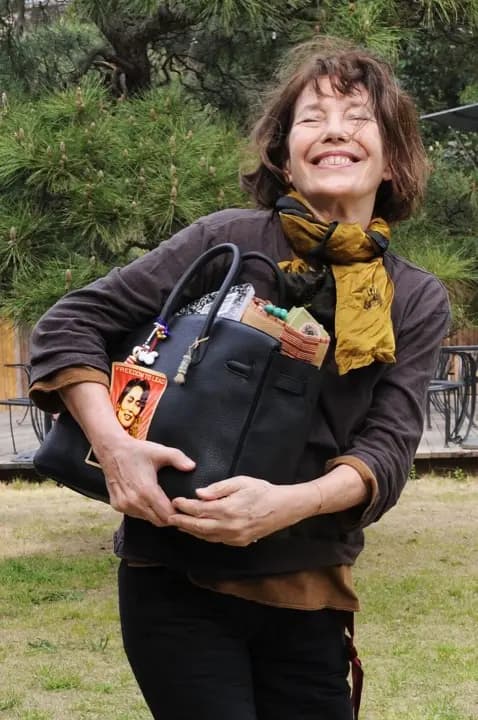
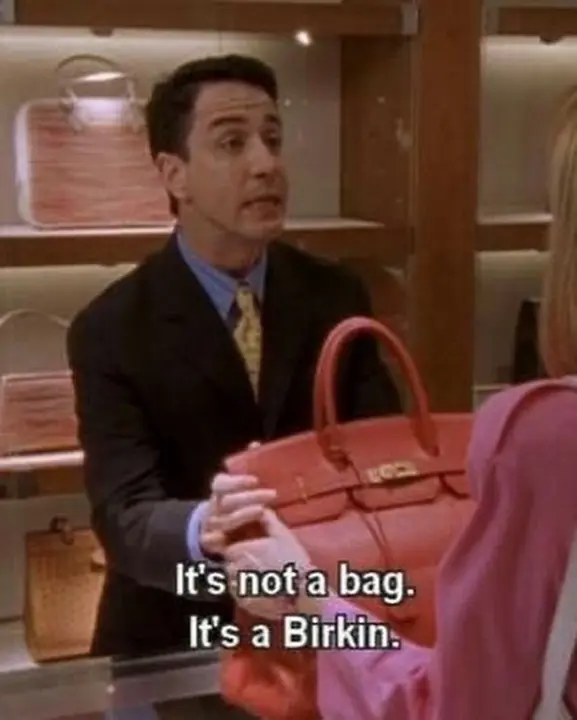
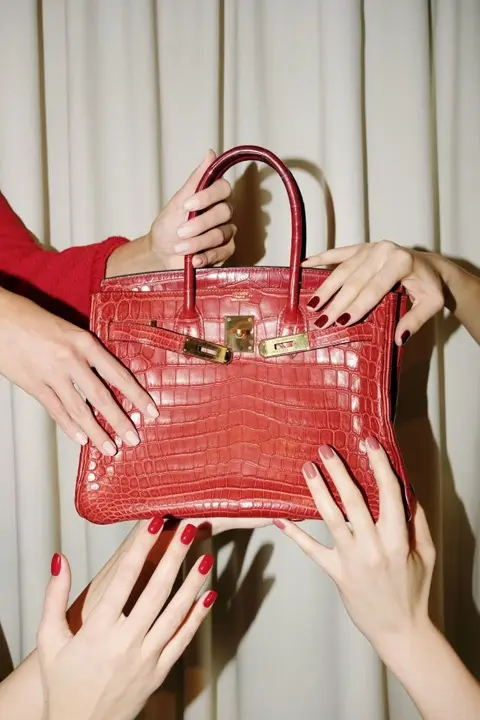
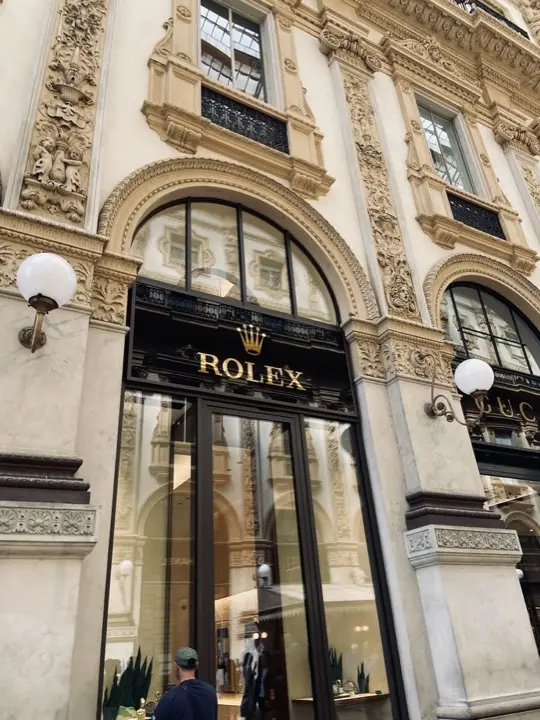
Hermès does not sell a Birkin off the shelf. You are invited to «earn» it: purchase history, boutique relationship, time. Official Rolex dealers run year-long waitlists.
Here waiting is not a logistics bug. Waiting is admission to a club. You did not buy a bag. You were accepted.
Tech invites: access as currency.
In 2004 Gmail launched by invitation; invites sold on eBay. In 2020 Clubhouse repeated the trick: invite-only entry, and the internet lost its mind. Superhuman, $30/month email with a personal onboarding call first. Expensive. Slow. Everyone wanted in.
Here the drug is insider status. «They let me in, not you.»
Pre-order: money upfront.
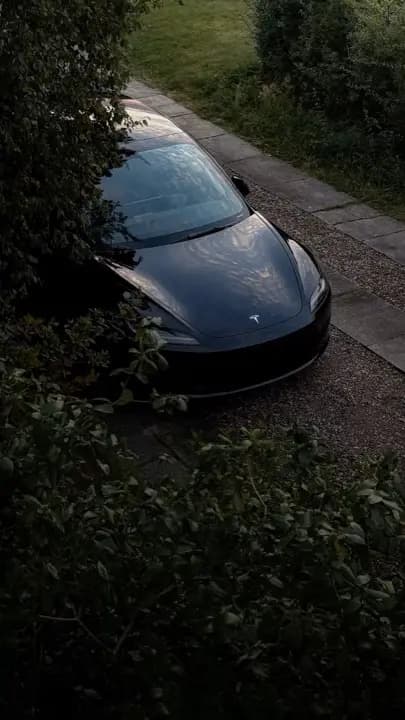
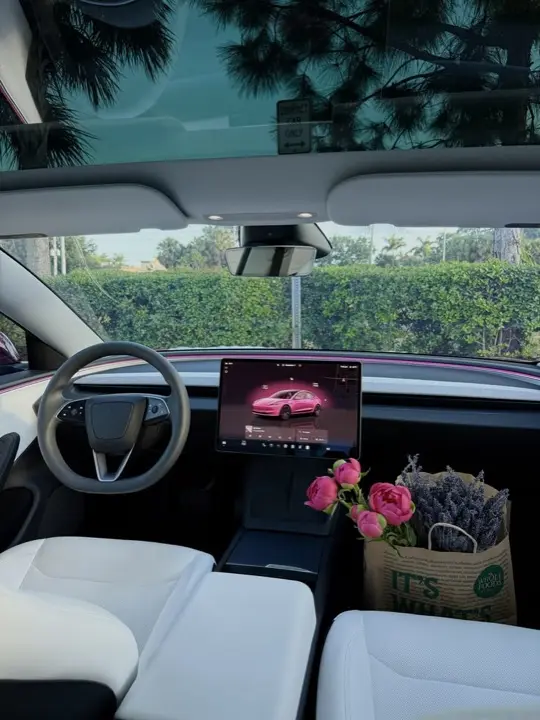
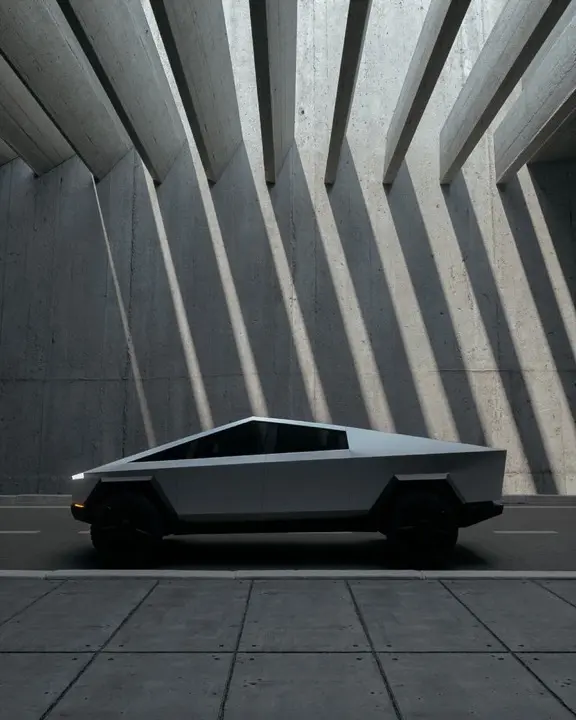
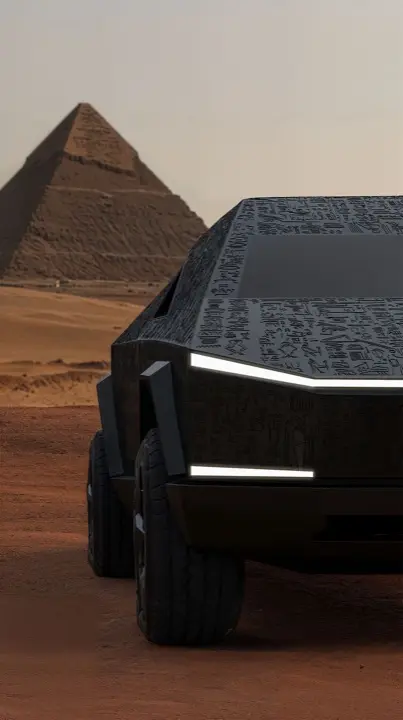
Tesla collected hundreds of thousands of deposits on Model 3 and Cybertruck. People paid for the right to wait years. In effect, an interest-free loan from fans to the company they love.
Here waiting = contract. You are already inside. You are almost an owner.
Drop culture: waiting on a loop.
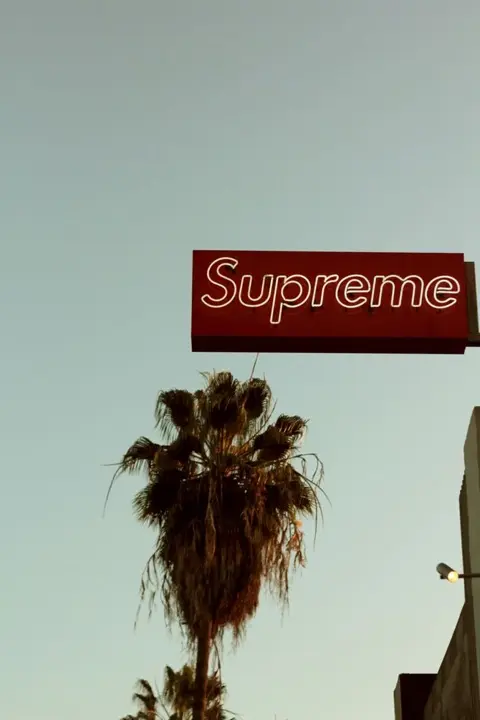
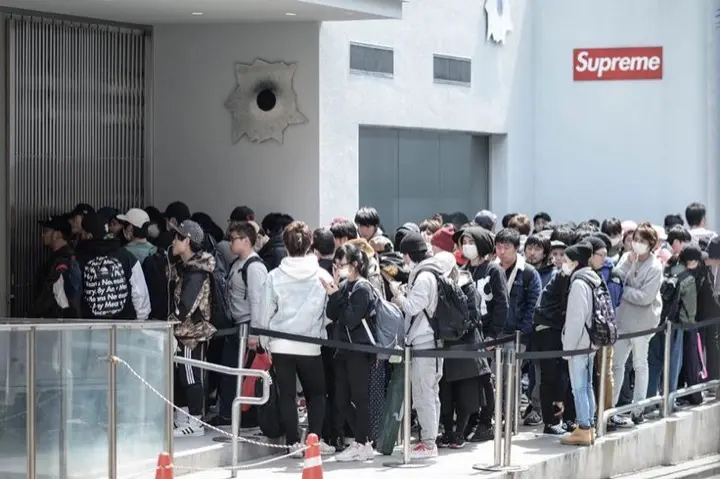
Supreme and sneaker culture: scarcity is not one-off, it is ritual. Every Thursday, a new dose. Waiting is stitched into the fan calendar like training for an athlete.
Here the drug is rhythm. Waiting is part of identity.
Back to my clips. in'me belongs to none of these schools. No invites, no deposits, no drops. They had the strongest thing possible:
real desire that supply could not feed fast enough
They did not build a waitlist. The waitlist built itself, because marketing created more want than the warehouse could satisfy. That is pure gold.
Part 3. Anatomy of a waitlist that works
What the cases share:
Believable scarcity. Not always natural, but it reads as real. «We make small batches», believable. «Only 2 left» on a banner up for three years, not believable. Manipulation always shows.
Visible position. People know where they are in line and what moves them forward. The worst wait is waiting in the dark.
Acceleration mechanics. Invite a friend, move up the list. Waiting becomes a game and a growth channel. (Hello, product-led loops from inside the waiting state.)
Waiting is fed. Updates, insider content, behind the scenes. An empty waitlist dies quietly. A fed one grows.
Access moment is an event.Not an email saying «your order is ready to checkout». in'me nailed this intuitively: the clip return was a CELEBRATION. Video, joy, «finally». I felt not like a buyer. I felt like a winner.
Part 4. When waiting kills you
Waiting > product
Clubhouse opened to everyone and it turned out the drug was exclusivity, not the product. Behind the door was an ordinary room; the crowd left in weeks.
Too long
Hype expires faster than production can ship. Desire has a shelf life.
Artificial scarcity without a brand
A «waitlist» for an unknown product with nothing to back the wait does not create desire. It creates irritation.
Waiting works only where there is something worth waiting for.
That is why in'me worked. The product delivered, I say this as someone who waited. If the clips had been ordinary, a month of waiting would have become a month of disappointment. Instead, the month became part of the value.
Part 5. Economics of waiting
What a waitlist gives a business BEFORE launch:
A queue is the only business problem that advertises itself.
Part 6. How to build your waitlist
- A waitlist fits when there is a real constraint: batch size, seats, time, hands. No constraint, no waitlist, just a lie.
- Describe value BEFORE the product: what people get and why it is worth waiting for.
- Feed the list: BTS, process, dates, honest «we are making this».
- Make access an event.
- Metric is not list size. Conversion to purchase. A crowd that never buys is not a waitlist, it is a statistic.
I keep thinking about those clips.
A month of waiting did not make them physically better. Same velvet. Same color. But it made them different FOR ME. Because I did not buy them. I won them.
They sell desire in concentrated form.
Truth you cannot forget: waiting does not create desire. It compresses it like a spring. Empty inside, the spring snaps to nothing, like Clubhouse. Real inside, it shoots into love, like a tiny clip brand with a month-long queue of strangers.
Waiting works only where there is a «100% yes» inside.
Is your product something people will wait for?